Safer Tree Structure
Prevent dangerous, weakly anchored regrowth from developing into future falling branch hazards.
Professional height reduction, canopy management, and safe alternatives to destructive lopping.
Servicing residential blocks and commercial grounds across North Ward
Homeowners often search for tree lopping North Ward when canopies become too tall, block coastal breezes, or threaten powerlines. We deliver effective canopy reduction using techniques that keep your trees safe.
North Ward's high-light, tropical environment causes lopped trees to shoot dense, weakly attached 'water sprouts' at double speed. During heavy wet-season winds, these unanchored shoots tear away easily. We prune strategically to prevent this failure cycle.
Prevent dangerous, weakly anchored regrowth from developing into future falling branch hazards.
Bring natural light back into your living areas and open up coastal vistas without killing the tree.
Proper canopy reductions require far less frequent cutting than the endless cycle of rapid regrowth caused by flush lopping.
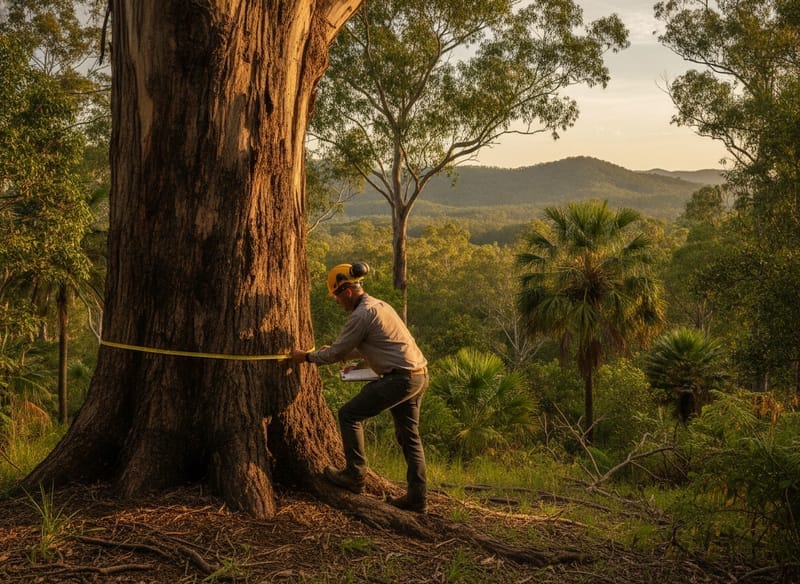
We examine the tree's growth habit, structural integrity, and past pruning cuts to determine the safest reduction method.
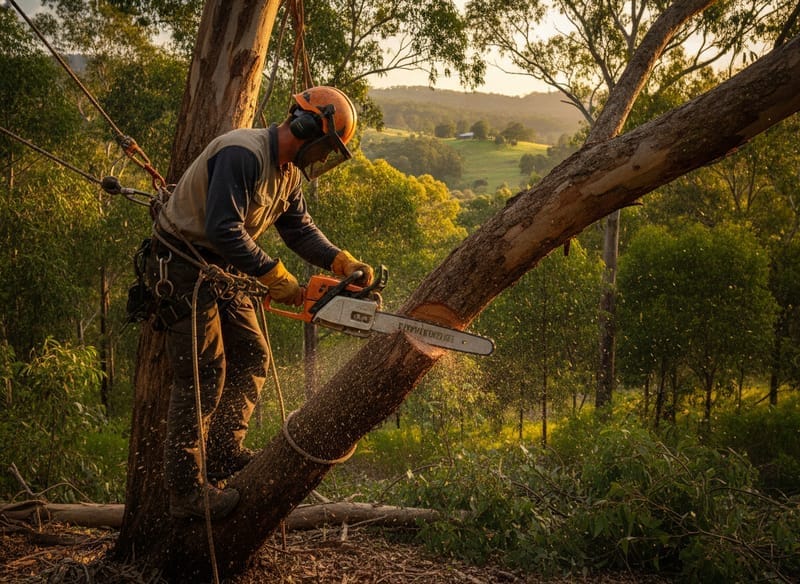
We identify strong lateral growth points that can assume apical dominance and support future canopy weight.
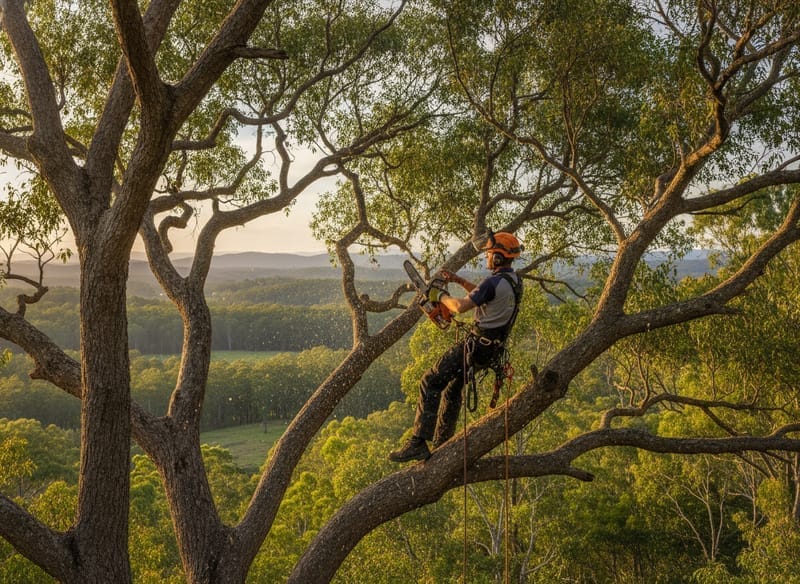
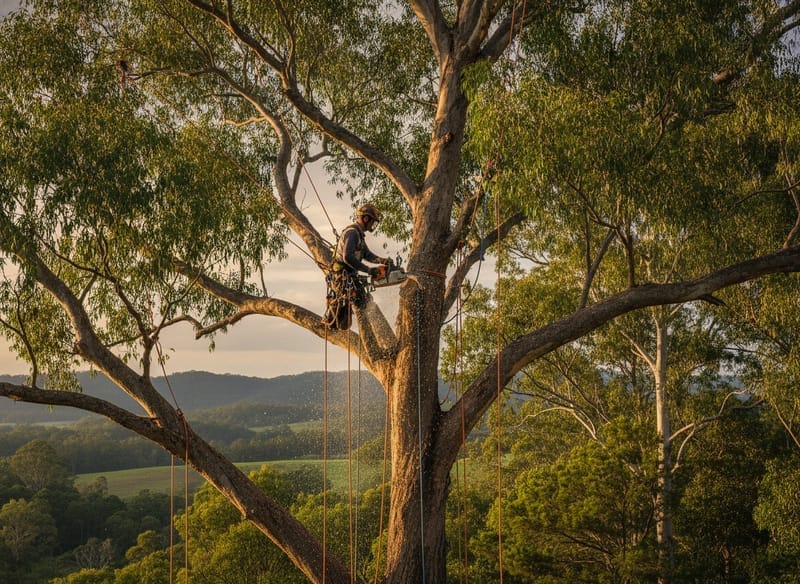
Our climbers lower the upper canopy using controlled reduction cuts compliant with Australian Standards.
All leafy offcuts and branches are processed through our wood chipper, leaving your yard immaculately clean.
Whether you have an overgrown African Mahogany casting heavy shade over your backyard or a River Blue Gum pushing uncomfortably close to your roofline, managing your canopy size is an absolute necessity in our dry tropics climate. For homeowners and property managers, finding professional Tree Lopping North Ward is the safest, most effective way to reduce a tree's height and spread without destroying its structural integrity.
Townsville's weather is notoriously demanding. We experience a prolonged, intensely dry period for most of the year, followed by saturated soils and cyclonic winds from January to March. In coastal suburbs like North Ward, this weather hits trees growing in everything from the shallow, rocky granite slopes below Castle Hill to the sandy, salt-exposed soils near The Strand. Many locals use the term "lopping" when they simply want a tree made smaller before storm season. Our team at Townsville Arborist understands exactly what you need. We deliver tailored, compliant canopy reductions that keep your property safe, your views clear, and your trees structurally sound for years to come.
The traditional idea of tree lopping—taking a chainsaw and indiscriminately hacking off the top of a canopy—is one of the most damaging practices you can inflict on a mature tree. While old-school "topping" cuts might seem like a quick fix to make a tree smaller, this severely outdated method leaves massive, blunt stubs that the tree cannot heal. In Townsville's harsh wet-dry cycle, these open wounds rapidly invite fungal decay and termite hollowing, creating dangerous structural faults right where the tree needs strength. Even worse is how the tree responds to being lopped. A heavily topped tree panics and pushes out epicormic regrowth, which is a dense cluster of fast-growing, spindly shoots attached to the surface of the bark rather than the solid heartwood. When the next cyclone season hits, these weak branches are the first to tear off in high winds, creating a far greater hazard than the original canopy ever was. Our solution is strict, AS4373-compliant pruning. When you ask us to reduce the size of your tree, our experienced climbers use targeted branch collar cuts. Instead of indiscriminate hacking, we perform proper crown reductions, crown lifting, and thinning. This achieves the exact size reduction and clearance you want, but it preserves the tree's natural defence mechanisms, significantly reduces wind resistance, and ensures the canopy remains stable and safe through the wet season.
When you request a tree lopping service to bring an overgrown canopy under control, we apply the precise horticultural techniques required to safely achieve your goals.
We selectively reduce the height and overall spread of the canopy by cutting back to appropriate lateral branches. This makes the tree visibly smaller and more manageable while maintaining its natural shape and preventing the flush of weak epicormic regrowth associated with bad lopping.
We carefully remove the lower branches of the canopy to create clear, usable space underneath. This is the ideal technique for clearing rooflines, driveways, footpaths, and fences without needing to top the tree or compromise its upper structure.
We selectively remove secondary branches throughout the interior of the canopy to allow more wind and sunlight to pass through. This significantly reduces the "sail area" and wind resistance during Townsville's intense storm season, heavily reducing the risk of uprooting without sacrificing the tree's height.
If a specific heavy limb is overhanging your house or powerlines, we perform selective pruning to remove just that hazard. Our climbers use top-handle chainsaws like the MS201T to make clean, precise cuts at the branch collar, allowing the tree to heal quickly.
We start every job with a comprehensive, on-site assessment. When you contact us, an experienced senior arborist will visit your property to evaluate the tree in question. We check for existing structural flaws, termite damage, and access constraints, and we listen to exactly what you want to achieve with the canopy.
Next, we provide a clear, upfront quote outlining the specific pruning methods that will deliver your desired size reduction while complying with national safety standards. On the day of the job, our team arrives fully equipped for the specific terrain of your block. For tight coastal properties or the steep, rocky inclines leading up Castle Hill, our AQF Level 3 climbers utilise advanced double-rope access techniques to safely navigate the canopy. For flatter, highly accessible areas, we may deploy an elevated work platform (EWP) for maximum efficiency.
During the cutting phase, we carefully rig and lower heavy branches to protect your garden, fences, and footings below. Once the canopy is perfectly reduced and shaped, we process all the green waste through our high-capacity 12-inch commercial wood chippers. We take immense pride in our site cleanup, leaving your yard completely spotless. We then haul away the fresh mulch in our tipper trucks, or if you prefer, we can leave it neatly piled for you to use on your own garden beds.
We strictly adhere to AS4373 Pruning of Amenity Trees, which is the authoritative national standard for safe and effective canopy reduction. Every cut our team makes is designed to protect the tree's long-term health while achieving the clearance you need.
Safety and compliance are non-negotiable for our team. Unlike under-qualified operators, our climbers hold AQF Level 3 in Arboriculture. For complex council development applications, we also have access to AQF Level 5 consulting capabilities. Our business is fully insured with comprehensive public liability cover and WorkCover for all staff. We carry all necessary tickets, including Working at Heights, EWP operation, advanced chainsaw cross-cutting, and Traffic Management, ensuring every job is executed safely, legally, and professionally.
North Ward presents a highly specific mix of environments, from the salt-exposed coastal strip near Pallarenda and The Strand to the steep, shallow granite soils climbing up the edges of Castle Hill. These shallow soils mean large, heavy-canopied species like African Mahogany and Yellow Flame Tree are heavily prone to uprooting during cyclone season once the ground becomes completely saturated. When carrying out Tree Lopping North Ward, we factor in these unique soil and wind load conditions to ensure your canopy reduction actually reduces your storm risk. Navigating local regulations here is thankfully straightforward for most residential blocks. Townsville City Council does not have a general tree preservation order for private property, meaning most routine pruning and removals require no council permit whatsoever. However, it is essential to check if your property falls under the OM-08 natural assets overlay, which can trigger code assessable clearing in very specific areas. State laws also apply here. For properties along the tidal coastal edges, we must carefully avoid interfering with protected marine plants like mangroves, which are strictly shielded from trimming or damage under the Fisheries Act. Furthermore, if a tree poses an immediate threat, we operate under the Vegetation Management Act's imminent risk exemption to make your property safe.
After we complete a professional canopy reduction, your tree will require a brief recovery period. Because Townsville experiences a harsh and prolonged dry season, we highly recommend deep watering the root zone regularly if the work was completed between April and November. This helps mitigate severe drought stress and supports healthy bark closure over the new pruning cuts. Keep an eye on the canopy over the following wet season. A properly reduced tree should produce normal, stable leaf growth rather than frantic, spindly epicormic shoots. We recommend scheduling a routine canopy inspection every two to three years, or after a severe storm event like Cyclone Kirrily, to ensure the structure remains perfectly sound and safely sized for your block.
Canopy reduction and lopping-alternative pricing in North Ward is calculated based on tree dimensions and job complexity.
We provide clear, written quotations detailing the exact reduction methods and all costs involved.
We provide canopy reduction and tree management throughout North Ward and surrounding suburbs.
Contact our qualified arborists for structurally sound canopy reduction and tree management.
Get a Free Quote